

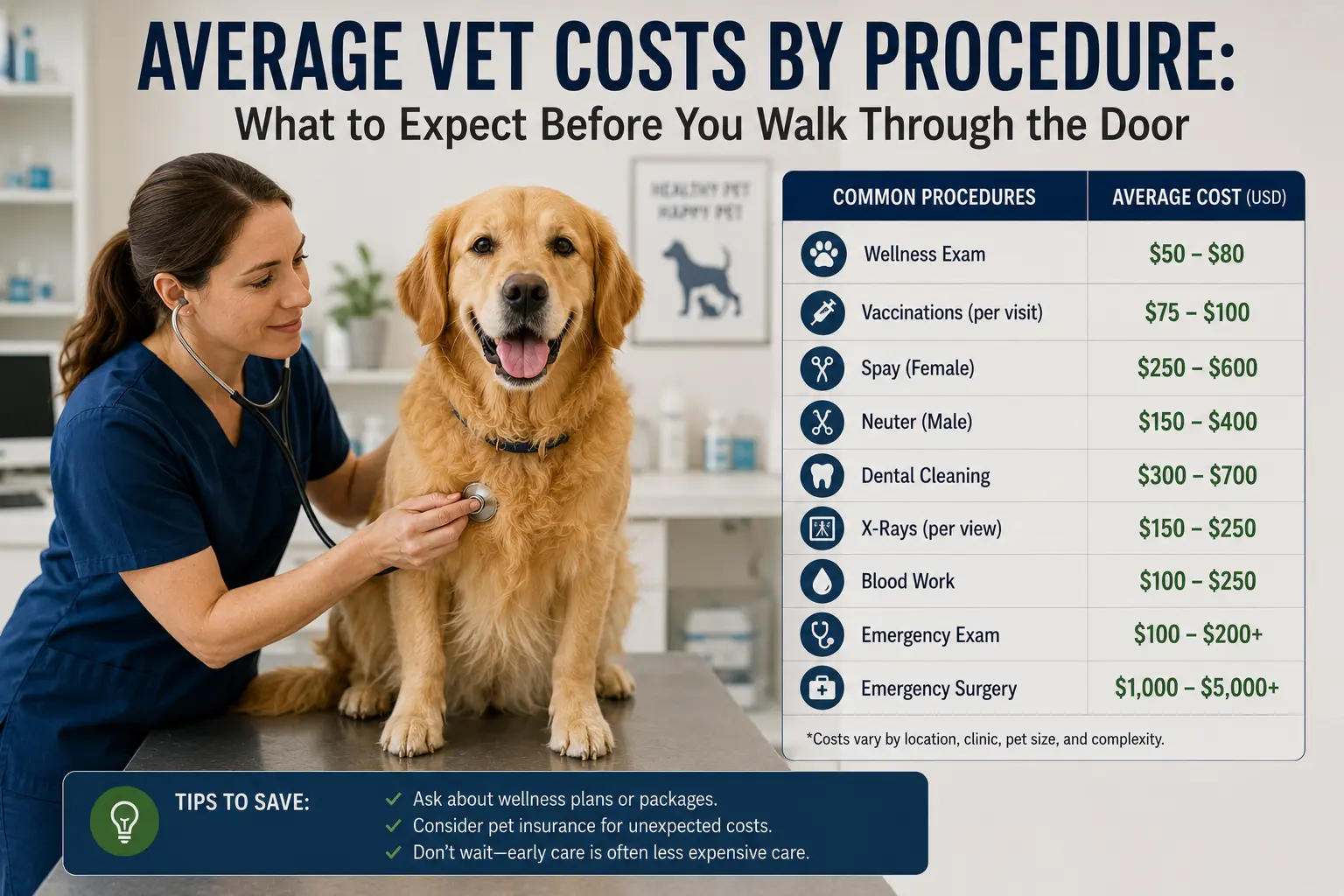
One of the most common sources of financial stress in pet ownership isn’t the bill itself — it’s the surprise. Walking into a veterinary appointment with no idea what to expect and walking out with a $400 invoice you didn’t budget for is an experience millions of pet owners have every year.
Knowledge changes that equation entirely. When you know what a wellness exam typically costs, what bloodwork runs, and what to expect if your dog needs a dental cleaning or your cat needs an ultrasound, you can budget proactively, ask better questions, and make more informed decisions — including whether to get a second opinion, explore a low-cost clinic, or set aside money in advance for a procedure you know is coming.
This comprehensive guide breaks down average veterinary costs by procedure category — from routine wellness care through diagnostics, surgery, dental care, and specialist services — giving you the clearest possible financial picture before you ever walk through the door.
Important Caveats Before We Dive In
Veterinary pricing varies more than almost any other service industry. Before using these estimates, keep these factors in mind:
Geographic location is the single biggest variable. Veterinary costs in major metropolitan areas like New York City, Los Angeles, and San Francisco can run 50–100% higher than costs in rural areas or smaller Midwestern cities for identical procedures. The same dental cleaning that costs $350 in rural Tennessee might cost $900 in Manhattan.
Practice type matters significantly. Corporate-owned veterinary chains, boutique specialty hospitals, emergency clinics, and independent general practices all have different pricing structures. Teaching hospitals at veterinary schools are typically the most affordable option for complex care.
Pet size affects many procedure costs. Drug dosages, anesthesia quantities, surgical equipment sizes, and staff effort all scale with patient size. Procedures for a 5-pound cat cost less than the same procedures for a 120-pound Great Dane.
Individual patient complexity varies. A “routine” dental cleaning that uncovers ten teeth requiring extraction is no longer routine. Estimates provided here reflect uncomplicated procedures.
With those caveats established, the ranges below represent realistic national averages that give you a meaningful baseline for financial planning.
Routine Wellness Care Costs
Routine wellness care represents the predictable, schedulable foundation of pet healthcare. These are costs you can budget for in advance with reasonable accuracy.
Annual Wellness Examination
The cornerstone of preventative pet care. Your veterinarian performs a comprehensive physical examination covering eyes, ears, teeth, skin, coat, heart, lungs, abdomen, lymph nodes, joints, and neurological status. They assess weight and body condition, discuss behavioral changes, and develop a preventative care plan for the year ahead.
Average cost:
- Cats: $50–$80
- Small/medium dogs: $55–$90
- Large/giant dogs: $65–$100
Some practices bundle the exam fee with vaccinations or include a free exam with a puppy or kitten package. Always ask whether the exam fee is included or separate when scheduling.
Core Vaccinations
Dogs — Core Vaccines:
- DHPP (distemper, hepatitis, parvovirus, parainfluenza): $20–$45 per dose
- Puppy series (3–4 doses): $60–$150 total
- Adult booster (every 1–3 years): $20–$45
- Rabies: $15–$30
- First vaccine: 1-year duration
- Subsequent vaccines: 3-year duration (where legally available)
Dogs — Non-Core Vaccines (lifestyle dependent):
- Bordetella (kennel cough): $20–$45 (required by most boarding facilities and groomers)
- Leptospirosis: $20–$40
- Lyme disease: $25–$50
- Canine influenza: $30–$50
Cats — Core Vaccines:
- FVRCP (feline viral rhinotracheitis, calicivirus, panleukopenia): $20–$40 per dose
- Kitten series (3 doses): $60–$120 total
- Adult booster: Every 1–3 years
- Rabies: $15–$30
Cats — Non-Core Vaccines:
- FeLV (feline leukemia virus): $25–$45 (recommended for outdoor or multi-cat households)
Heartworm Test
A simple blood test required annually before dispensing heartworm prevention medication. Most clinics use an in-house SNAP test providing results in minutes.
Average cost: $25–$50
A 4Dx test — which simultaneously screens for heartworm, Lyme disease, anaplasmosis, and ehrlichiosis — typically costs $45–$70 and is recommended for dogs in tick-endemic areas.
Fecal Parasite Examination
Microscopic examination of a stool sample detecting intestinal parasites including roundworms, hookworms, whipworms, giardia, and coccidia.
Average cost: $25–$55
Most veterinarians recommend fecal testing annually for adult pets and more frequently for puppies, kittens, or pets with gastrointestinal symptoms.
Microchipping
A one-time procedure implanting a rice-sized identification chip under the skin between the shoulder blades. The chip carries a unique ID number that links to your contact information in a pet registry database.
Average cost: $25–$60 (one-time)
Registration with a microchip database typically costs an additional $15–$25, though some shelters include lifetime registration in their adoption fees.
Diagnostic Testing Costs
Diagnostic tests are ordered when your veterinarian needs objective information to assess your pet’s health status — either during wellness care or when symptoms suggest an underlying condition.
Blood Work
Complete Blood Count (CBC): Evaluates red blood cells, white blood cells, and platelets. Screens for anemia, infection, immune disorders, and clotting problems. Average cost: $40–$80
Chemistry Panel (Metabolic Panel): Evaluates organ function including liver, kidneys, and pancreas, as well as electrolytes, blood sugar, and protein levels. Average cost: $50–$100
CBC + Chemistry Panel Combined: The most common comprehensive wellness blood panel. Provides a full-body health snapshot. Average cost: $80–$200
Thyroid Testing (T4): Screens for hypothyroidism in dogs and hyperthyroidism in cats — common conditions in senior pets. Average cost: $45–$80
Senior Wellness Panel: A comprehensive blood panel including CBC, chemistry, thyroid, and urinalysis recommended for pets over 7 years of age. Average cost: $150–$300
Urinalysis
Evaluates urine for infection, crystals, glucose, protein, and kidney function markers. Average cost: $30–$60
Urine culture and sensitivity (when infection is suspected): $60–$120
Imaging and Radiology
X-rays (Radiographs): Two-view radiograph series — the standard for evaluating chest, abdomen, or musculoskeletal structures.
- At a regular daytime practice: $80–$200
- At an emergency clinic: $150–$400
Additional views or series cost more. A full orthopedic series for hip evaluation may involve 4–6 images.
Ultrasound (Abdominal): Real-time imaging of abdominal organs including liver, spleen, kidneys, bladder, and intestines. Provides information that X-rays cannot, particularly regarding soft tissue structures.
- At a regular practice: $300–$500
- At a specialist or emergency facility: $400–$700
Echocardiogram (Cardiac Ultrasound): Specialized cardiac ultrasound evaluating heart structure and function. Typically performed by a veterinary cardiologist. Average cost: $500–$800
CT Scan: Advanced cross-sectional imaging. Used for complex orthopedic cases, neurological evaluation, cancer staging, and surgical planning. Average cost: $1,000–$3,000
MRI: The gold standard for neurological and soft tissue imaging. Requires general anesthesia. Average cost: $2,000–$4,500
Dental Care Costs
Dental disease affects the majority of dogs and cats over three years of age and is one of the most underbudgeted aspects of pet healthcare.
Professional Dental Cleaning Under Anesthesia
A complete veterinary dental cleaning includes pre-anesthetic bloodwork, anesthesia monitoring, ultrasonic scaling above and below the gumline, polishing, dental radiographs, and a full oral health assessment.
Average cost without extractions:
- Cats: $300–$600
- Small/medium dogs: $350–$700
- Large dogs: $400–$800
Note on dental radiographs: Full-mouth dental X-rays, now considered the standard of care, add $75–$200 to the base cleaning cost but allow detection of disease below the gumline that is otherwise invisible.
Tooth Extractions
Extractions are additional costs beyond the cleaning fee. Pricing varies by tooth complexity:
- Simple extraction (mobile or small tooth): $10–$25 per tooth
- Surgical extraction (multi-rooted or impacted tooth): $50–$150 per tooth
- Canine (fang) extraction: $100–$300 per tooth
A cleaning that uncovers moderate dental disease requiring 4–6 extractions can see the total bill climb from $400 to $800–$1,200.
At-Home Dental Care
The most cost-effective dental investment:
- Dog/cat toothbrush and enzymatic toothpaste: $10–$20
- VOHC-approved dental chews (monthly): $10–$25
Consistent home dental care extends time between professional cleanings and directly reduces long-term dental care costs.
Surgical Procedure Costs
Spay and Neuter Surgery
Cats:
- Neuter (male): $75–$200
- Spay (female): $150–$300
- Low-cost clinic options: $25–$75
Dogs:
- Neuter — small/medium (under 50 lbs): $150–$300
- Neuter — large/giant (over 50 lbs): $200–$400
- Spay — small/medium: $200–$400
- Spay — large/giant: $300–$600+
Soft Tissue Surgery
Foreign body removal (intestinal): $2,000–$5,000 Includes pre-surgical diagnostics, anesthesia, surgery, hospitalization, and post-operative care.
Tumor/mass removal: $500–$2,000+ Highly variable based on tumor location, size, and complexity. Surface tumors cost significantly less than internal masses.
Bladder stone removal (cystotomy): $1,000–$3,000
C-section (dystocia): $1,500–$5,000 Emergency pricing applies if performed after hours.
Abdominal exploratory surgery: $1,500–$4,000
Orthopedic Surgery
ACL/CCL repair (TPLO or TTA procedure): One of the most common orthopedic procedures in dogs. The lateral suture technique is less expensive; TPLO (tibial plateau leveling osteotomy) is the gold standard for larger breeds.
- Lateral suture: $1,000–$2,000
- TPLO/TTA: $3,500–$6,500
Hip replacement (total hip arthroplasty): $4,000–$7,000 per hip
Fracture repair (plating or pinning): $1,500–$5,000+ depending on fracture location and complexity
Luxating patella repair: $1,000–$3,000
Emergency and Critical Care Surgery
GDV surgery (gastric dilatation-volvulus / bloat): $3,000–$7,500 One of the most expensive emergency procedures. Survival rates are significantly higher with early intervention.
Urethral obstruction (male cat): $1,000–$3,000 Cost increases with duration of blockage and degree of systemic complications.
Hospitalization and Intensive Care Costs
Overnight Hospitalization
At a regular veterinary practice: $50–$150 per night (limited overnight monitoring)
At a 24-hour emergency or specialty facility: $500–$1,500 per night (continuous intensive care monitoring)
IV Fluid Therapy
Essential for dehydration, shock, kidney disease management, and surgical recovery. Average cost: $50–$150 per day at a daytime practice; $150–$400 per day at emergency facilities.
Oxygen Therapy
For respiratory emergencies requiring supplemental oxygen support. Average cost: $150–$400 per day
Specialist and Referral Care Costs
When your primary care veterinarian refers your pet to a specialist, you enter a different pricing tier reflecting the board certification, advanced equipment, and subspecialty expertise involved.
Veterinary Specialist Consultation Fees
Initial specialist consultation: $150–$400
This covers the specialist’s examination and review of your pet’s history. Diagnostic procedures, treatments, and follow-up appointments are billed separately.
Veterinary Cardiology
- Echocardiogram: $500–$800
- Pacemaker implantation: $4,000–$8,000
Veterinary Dermatology
- Allergy testing (intradermal): $300–$600
- Allergy immunotherapy (desensitization): $150–$300 per treatment series
Veterinary Oncology
- Chemotherapy (per session): $300–$600
- Radiation therapy (full course): $8,000–$20,000
- Cancer surgery: $2,000–$10,000+
Veterinary Neurology
- MRI + neurological evaluation: $2,500–$5,500
- Spinal surgery (IVDD disk): $4,000–$8,000
Veterinary Ophthalmology
- Cataract surgery (per eye): $2,700–$4,000
- Glaucoma management: $500–$2,000 per year
End-of-Life Care Costs
These are costs many pet owners don’t anticipate planning for but that represent a real part of the financial picture of pet ownership.
Euthanasia
- At a veterinary clinic: $50–$200
- At-home euthanasia service: $200–$500 (additional fee for the comfort and privacy of in-home care)
Aftercare
- Individual cremation (ashes returned): $150–$350
- Communal cremation (ashes not returned): $50–$150
- Private burial service: $400–$1,000+
- Pet cemetery burial: $400–$3,000+
How to Use These Cost Estimates Effectively
Build a Tiered Pet Healthcare Budget
Using the estimates above, you can build a realistic annual pet healthcare budget in three tiers:
Tier 1 — Baseline Annual Wellness (budgeted, predictable): Plan for annual exam + core vaccines + heartworm test + fecal test + parasite prevention
- Cats: $200–$400 per year
- Small/medium dogs: $300–$600 per year
- Large dogs: $400–$800 per year
Tier 2 — Planned Procedures (anticipated, schedulable): Dental cleanings, bloodwork, spay/neuter, or known age-related screenings
- Budget $300–$800 per year depending on your pet’s age and history
Tier 3 — Emergency Fund (unpredictable, critical): Set aside $1,000–$2,000 in a dedicated savings account before your pet needs it
Get Itemized Estimates Before Agreeing to Procedures
You have the right to a detailed written estimate before any non-emergency procedure. Ask for one. Review each line item and ask what each component is for. Understanding the estimate allows you to make informed decisions about which components are essential and which might be deferred.
Price Compare for Non-Emergency Procedures
For scheduled, non-urgent procedures — dental cleanings, spay/neuter surgery, mass removals, and orthopedic consultations — calling two or three veterinary practices for price comparisons is entirely reasonable. Price differences of 20–40% for identical procedures between practices in the same city are common.
Ask About Payment Options Before Your Visit
Many veterinary practices offer CareCredit, Scratchpay, or in-house payment plans. Knowing your options in advance — rather than discovering them under financial stress after receiving a large estimate — allows for calmer, more rational decision-making.
Frequently Asked Questions
Why do veterinary costs vary so much between practices in the same city? Overhead costs, staffing levels, equipment investment, geographic location within a city, and business model (corporate chain vs. independent practice) all contribute to pricing variation. Higher prices don’t always mean better care — and lower prices don’t always mean worse care. Focus on the quality of the practice and veterinarian relationship alongside price.
Is it appropriate to ask my vet for an itemized estimate? Absolutely — and a good veterinarian will provide one proactively. An itemized estimate is standard practice for any procedure involving anesthesia, hospitalization, or significant cost. If a practice is reluctant to provide one, that’s a red flag.
Can I negotiate veterinary fees? Outright negotiation is less common in veterinary medicine than in some service industries, but asking about payment plans, whether any components can be deferred, or whether lower-cost alternatives exist for specific line items is entirely appropriate. Many veterinarians will work with clients who communicate openly about financial constraints.
Why does the same procedure cost so much more at an emergency clinic? Emergency clinics maintain 24/7 staffing with specialized critical care training, advanced equipment on constant standby, and premium after-hours wage structures. These overhead costs are significantly higher than daytime general practice — making emergency care pricing genuinely more expensive to deliver, not simply more profitable.
Does pet insurance cover all the procedures listed in this article? Coverage depends on your specific policy. Comprehensive accident and illness policies cover most emergency and illness-related procedures. Routine wellness care (exams, vaccines, dental cleanings) is typically only covered with a wellness add-on. Pre-existing conditions are excluded. Always review your policy’s coverage details, exclusions, and annual limits before assuming coverage.
How can I reduce dental cleaning costs without skipping the procedure? Low-cost clinics, veterinary school teaching hospitals, and community dental clinic events offer professional cleanings at significantly reduced prices. Consistent at-home dental care (daily brushing, VOHC-approved dental chews) reduces the frequency of professional cleanings needed and the likelihood of requiring extractions.
Final Thoughts
Veterinary care costs are real, significant, and — with the right information — manageable. The pet owners who navigate these costs most successfully are those who go in knowing what to expect, budget proactively for both routine and unexpected care, and communicate openly with their veterinarians about financial constraints.
Use the cost estimates in this guide as your planning baseline. Build your three-tier pet healthcare budget. Establish your emergency fund before you need it. And review your pet insurance options now — before any new conditions develop that could become pre-existing exclusions.
The goal is never to choose between your pet’s health and your financial stability. With the right financial framework in place, you shouldn’t have to.
Disclaimer: All cost estimates in this article represent general national averages based on typical market pricing as of 2026. Actual costs vary significantly by geographic location, practice type, patient size, and individual case complexity. Always request an itemized written estimate from your veterinarian before agreeing to any procedure. This article does not constitute veterinary or financial advice.
