

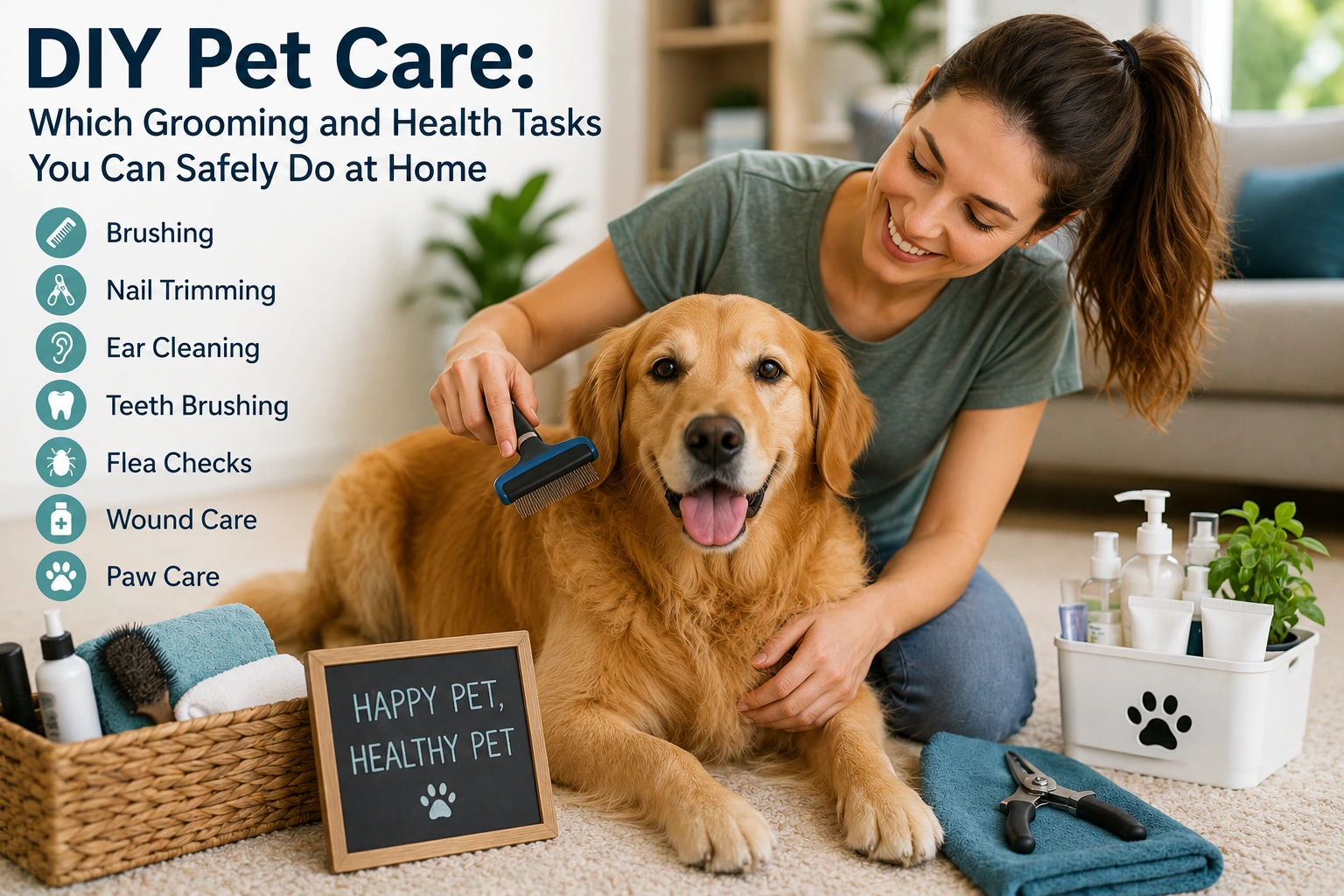
Professional pet grooming and routine veterinary care are important — but they don’t have to account for every aspect of your pet’s health and hygiene. Many of the tasks that pet owners routinely pay professionals to perform can be done safely, effectively, and affordably at home with the right tools, a little knowledge, and some patience.
The key word is safely. DIY pet care is about empowering yourself to handle appropriate tasks at home — not replacing professional care entirely. Knowing which tasks are genuinely safe for home practice and which ones always require a professional is just as important as the how-to knowledge itself.
This comprehensive guide covers the most common grooming and health tasks you can confidently take on at home, how to do them correctly, what supplies you need, and where to draw the line and call your vet or groomer instead.
The Financial Case for DIY Pet Care
Before diving into the how-to, it’s worth understanding just how significant the savings potential is. Consider these typical professional service costs:
- Professional grooming session: $50–$90 every 4–8 weeks
- Nail trim at the vet or groomer: $10–$20 per visit
- Ear cleaning: $10–$25 per visit
- Dental cleaning under anesthesia: $300–$800 per procedure
- Anal gland expression: $20–$35 per visit
For a pet owner who pays for all of these services professionally every year, annual grooming-related costs can easily reach $600–$1,500 or more. Learning to handle even a portion of these tasks at home can generate savings of $200–$800 annually — while also deepening the bond between you and your pet.
What You’ll Need: A Basic DIY Pet Care Toolkit
Before starting any home grooming routine, assembling the right tools makes a significant difference in both safety and effectiveness. A basic home pet care kit typically includes:
For dogs and cats:
- Slicker brush or deshedding tool appropriate for coat type
- Metal comb (essential for detecting mats)
- Nail clippers (scissor-style for cats and small dogs; guillotine or grinder for larger dogs)
- Styptic powder (to stop bleeding if you nick the quick)
- Pet-safe shampoo and conditioner
- Cotton balls for ear cleaning
- Veterinarian-approved ear cleaning solution
- Dog or cat toothbrush and enzymatic toothpaste
- Grooming scissors (blunt-tipped for safety)
Total estimated toolkit cost: $50–$120 (one-time investment that pays for itself within one or two grooming sessions)
DIY Task #1: Brushing and Coat Maintenance
Safety level: Very safe for most pet owners
Regular brushing is arguably the most impactful home grooming habit you can develop. It prevents matting, reduces shedding around your home, distributes natural skin oils for a healthier coat, and gives you the opportunity to check for skin abnormalities, lumps, parasites, or wounds that might otherwise go unnoticed.
How often to brush:
- Short-haired dogs and cats: Once or twice per week
- Medium-length coats: 2–3 times per week
- Long-haired or double-coated breeds: Daily brushing to prevent mats
How to do it safely:
Start brushing in the direction of hair growth using a slicker brush, working from the head toward the tail. Follow with a metal comb to detect any hidden tangles. Pay special attention to areas prone to matting: behind the ears, under the armpits, around the collar, and behind the legs.
If you encounter a mat, never pull it apart forcefully — this is painful and can tear the skin. Work through mats gently with a detangling spray and your fingers before using a comb, or use a mat splitter tool. Severe, close-to-skin mats should be handled by a professional groomer.
When to call a professional: Mats that are tight against the skin, full-body coat issues, or breeds with complex coat requirements like hand-stripping.
DIY Task #2: Bathing Your Pet at Home
Safety level: Safe with proper preparation
Regular baths keep your pet’s coat clean, reduce allergens in your home, and can help manage certain skin conditions. Most dogs benefit from a bath every 4–8 weeks, though this varies by breed, coat type, and activity level. Most cats are self-grooming and rarely need baths unless they get into something messy or have a skin condition requiring medicated shampoo.
What you need:
- Non-slip mat for the tub or basin
- Pet-specific shampoo (human shampoo has the wrong pH and can irritate pet skin)
- Handheld sprayer or large cup for rinsing
- Towels and optionally a pet hair dryer on low heat
How to do it safely:
Use lukewarm water — never hot. Wet your pet thoroughly before applying shampoo, working from the neck back and avoiding the eyes and ears. Rinse completely, as residual shampoo can cause skin irritation. Towel dry thoroughly and keep your pet warm until fully dry to prevent chilling.
For cats, move slowly, use a calm voice, and have everything prepared before you begin. Many cats tolerate bathing better when introduced to it gradually from a young age.
When to call a professional: Medicated baths prescribed by a vet for skin conditions, or cats and dogs with significant anxiety around water.
DIY Task #3: Nail Trimming
Safety level: Moderate — requires learning and confidence
Nail trimming is one of the most valuable home grooming skills to develop, and also one of the most anxiety-inducing for new pet owners. With practice, it becomes quick and routine. Overgrown nails cause discomfort, affect your pet’s gait, and can curl into the paw pad if neglected — making regular trimming genuinely important for health, not just aesthetics.
How to do it safely:
The biggest concern with nail trimming is cutting the quick — the blood vessel and nerve that runs through the nail. In pets with light-colored nails, the quick is visible as a pink area. In dark nails, it’s not visible, which requires more caution.
Trim small amounts at a time, cutting at a 45-degree angle just below where the nail begins to curve. If you accidentally cut the quick, apply styptic powder immediately and hold gentle pressure. It looks dramatic but is not a serious injury.
Tips for success:
- Trim nails after a bath when they’re softer
- Have treats ready and keep sessions positive
- Start with just one or two nails per session if your pet is anxious, gradually working up to all nails
- A nail grinder (Dremel-style tool) is a gentler alternative that gradually files the nail down rather than cutting it
When to call a professional: Severely overgrown nails that have begun to curl, nails that are injured or infected, or pets with extreme anxiety around nail trimming.
DIY Task #4: Teeth Brushing and Dental Hygiene
Safety level: Very safe — and critically important
Dental disease is the most common health condition in adult cats and dogs, and it’s almost entirely preventable with consistent home dental care. A professional dental cleaning under anesthesia costs $300–$800 — a compelling financial incentive to invest 2 minutes per day in brushing your pet’s teeth.
What you need:
- A pet-specific toothbrush (or finger brush for beginners)
- Enzymatic pet toothpaste in a flavor your pet enjoys (poultry, beef, or vanilla mint are popular options)
- Never use human toothpaste — fluoride and xylitol are toxic to pets
How to do it:
Introduce tooth brushing gradually. Start by letting your pet lick toothpaste from your finger. Over several days, progress to rubbing your finger along the gum line, then introduce the brush. Focus on the outer surfaces of the teeth where tartar accumulates most — you don’t need to brush the inner surfaces.
Aim for daily brushing, or at minimum 3–4 times per week. Supplement brushing with dental chews or water additives that carry the Veterinary Oral Health Council (VOHC) seal of approval — these have been independently tested to reduce plaque and tartar.
When to call a professional: Visible tartar buildup, red or swollen gums, bad breath that persists despite brushing, loose or broken teeth, or difficulty eating — all require veterinary dental evaluation.
DIY Task #5: Ear Cleaning
Safety level: Moderate — follow instructions carefully
Regular ear cleaning prevents the buildup of wax and debris that can lead to painful ear infections, particularly in dogs with floppy ears (Cocker Spaniels, Basset Hounds, Labrador Retrievers) or dogs that swim frequently. Cats generally need less frequent ear cleaning but benefit from regular inspection.
How to do it safely:
Use a veterinarian-approved ear cleaning solution — never water, hydrogen peroxide, or alcohol, which can damage the delicate ear canal. Apply several drops of solution into the ear canal, gently massage the base of the ear for 20–30 seconds (you’ll hear a squishing sound — this is normal), then allow your pet to shake their head. Wipe away loosened debris from the outer ear using a cotton ball. Never insert cotton swabs into the ear canal.
Clean ears only when there is visible wax or debris, or on the schedule recommended by your veterinarian for your specific breed. Over-cleaning can irritate the ear canal.
When to call a professional: Redness, swelling, strong odor, dark discharge, excessive scratching at the ears, or head shaking — these are signs of an ear infection requiring veterinary treatment, not home cleaning.
DIY Task #6: Eye Cleaning and Discharge Removal
Safety level: Very safe for routine maintenance
Many dogs and cats — especially flat-faced (brachycephalic) breeds — develop eye discharge or “sleep” in the corners of their eyes. Routine removal is simple, comfortable for your pet, and prevents staining and skin irritation around the eye area.
How to do it:
Dampen a soft cloth or cotton ball with warm water or a pet-safe eye wipe. Gently wipe from the inner corner of the eye outward, using a fresh cotton ball for each eye to prevent cross-contamination. Never apply pressure to the eye itself.
For breeds prone to tear staining (Maltese, Shih Tzu, Poodles), specialized tear stain removers are available — look for products without harsh bleaching agents.
When to call a professional: Yellow or green discharge, swelling around the eye, cloudiness, squinting, or pawing at the eye — these indicate infection or injury requiring immediate veterinary attention.
DIY Task #7: Basic Skin and Coat Checks
Safety level: Very safe — and highly recommended
One of the most valuable things you can do for your pet’s health has nothing to do with grooming products or tools — it’s simply running your hands over your pet’s body regularly and knowing what you’re feeling for. Monthly full-body checks catch health issues early, when they’re most treatable and least expensive.
What to check for:
- Lumps or bumps: Note location, size, and whether they change over time. Not all lumps are serious, but all should be evaluated by a vet.
- Skin condition: Redness, flakiness, hair loss, rashes, or excessive oiliness can indicate allergies, parasites, or infections.
- Parasites: Part the fur and look at the skin directly — fleas appear as tiny dark specks (flea dirt), ticks attach directly to the skin.
- Weight changes: Running your hands along your pet’s ribs and spine tells you whether they’re maintaining a healthy weight between vet visits.
- Paw health: Check between the toes for cuts, cracking, swelling, or foreign objects. Inspect paw pads for cracking or soreness.
When to call a professional: Any new lump, significant skin change, parasite infestation, weight loss, or paw injury warrants a veterinary evaluation.
DIY Task #8: Flea and Tick Prevention Application
Safety level: Safe when following product instructions exactly
Applying monthly topical flea and tick preventatives at home is straightforward and completely safe when done correctly. Most topical products are applied to the skin at the back of the neck (where your pet can’t lick it) or along the spine in multiple spots depending on your pet’s weight.
Key safety rules:
- Always use a product specifically formulated for your species and weight range — never apply dog flea products to cats, as certain ingredients (particularly permethrin) are highly toxic to felines
- Check expiration dates and store products appropriately
- Keep pets separated after application until the product has dried if you have both dogs and cats in the household
- Wash hands thoroughly after application
Oral preventatives (pills or chewables) prescribed by your veterinarian are even simpler — no application concerns, no drying time, no separation required.
When to call a professional: Signs of a reaction to a preventative product (excessive drooling, tremors, skin irritation), or an active flea infestation in the home that requires environmental treatment.
Tasks That Should Always Be Left to Professionals
While DIY pet care covers a broad range of grooming and health maintenance tasks, some procedures should always be performed by licensed professionals:
- Anal gland expression (internal): External gentle pressure is sometimes recommended by vets for home use, but internal expression must always be performed by a veterinarian or trained groomer. Improper technique causes injury.
- Ear hair removal in dogs: Breeds like Poodles and Schnauzers sometimes require hair removal from the ear canal — a procedure that can cause damage if done incorrectly.
- Teeth scaling and cleaning: Removing tartar below the gum line requires anesthesia and professional equipment. At-home dental scrapers can damage enamel and cause injury.
- Wound treatment beyond minor cuts: Lacerations, puncture wounds, or injuries near the eyes, ears, or joints require veterinary assessment.
- Diagnosing or treating illness: No amount of home care substitutes for a veterinary diagnosis when your pet is unwell.
- Complex coat trimming for specific breeds: Show-standard trims or breed-specific cuts (Poodle clips, Schnauzer patterns) require professional training to execute correctly.
Building a Sustainable Home Care Routine
The most effective approach to DIY pet care is building it into a consistent routine rather than treating it as an occasional activity. A simple weekly and monthly schedule might look like this:
Daily:
- Teeth brushing (2–3 minutes)
- Quick visual check for anything unusual
Weekly:
- Brushing (frequency depends on coat type)
- Eye discharge check and cleaning if needed
Monthly:
- Full body skin and coat check
- Nail inspection and trimming if needed
- Ear inspection and cleaning if needed
- Flea and tick prevention application (or as directed by product schedule)
Every 4–8 weeks:
- Full bath (breed and lifestyle dependent)
Consistency matters more than perfection. A brief daily tooth brushing is far more valuable than an occasional thorough session. The same principle applies across every area of home pet care.
Frequently Asked Questions
Is it safe to trim my dog’s hair at home? Basic trimming around the face, paws, and sanitary areas is manageable at home with blunt-tipped scissors and patience. Full haircuts for breeds with complex coat requirements are better left to professional groomers, especially until you’ve developed confidence with simpler tasks.
How do I get my pet comfortable with home grooming? Start early, move slowly, and keep sessions positive with treats and praise. Break tasks into small steps — for example, just handling your pet’s paws before ever introducing nail clippers. Gradual desensitization is far more effective than forcing compliance.
Can I use human shampoo on my pet in an emergency? Occasionally using a gentle, fragrance-free human shampoo is unlikely to cause serious harm, but it should not become routine. Human shampoo has a different pH than pet shampoo and can disrupt your pet’s skin barrier over time, leading to dryness and irritation.
How do I know if my pet has an ear infection versus just dirty ears? Dirty ears have mild wax buildup and no odor or discomfort. Infected ears typically have a strong smell, darker or unusual discharge, visible redness, and cause your pet discomfort when you touch near the ear. When in doubt, have your vet take a look before you attempt to clean.
What is the most important DIY health task for long-term savings? Daily teeth brushing. The cost savings from preventing dental disease — which affects the majority of adult pets — are among the largest available through any home care practice, potentially saving $300–$800 per avoided professional dental cleaning.
Final Thoughts
DIY pet care is one of the most rewarding investments of time and effort a pet owner can make. It saves money, deepens your bond with your pet, and keeps you attuned to changes in their health that a veterinarian might only see once or twice a year. The tasks covered in this guide are genuinely accessible to most pet owners regardless of prior experience — all it takes is the right tools, some basic knowledge, and a willingness to learn.
Remember the most important principle: DIY pet care enhances professional care, it doesn’t replace it. Keep your annual wellness appointments, maintain your pet’s vaccine schedule, and trust your instincts when something seems wrong. Home care fills the gaps between professional visits — and fills them extremely well.
Disclaimer: The information in this article is intended for general educational purposes and does not constitute veterinary advice. Always consult your veterinarian before beginning any new health or grooming routine for your pet, particularly if your pet has existing health conditions or skin sensitivities.
