

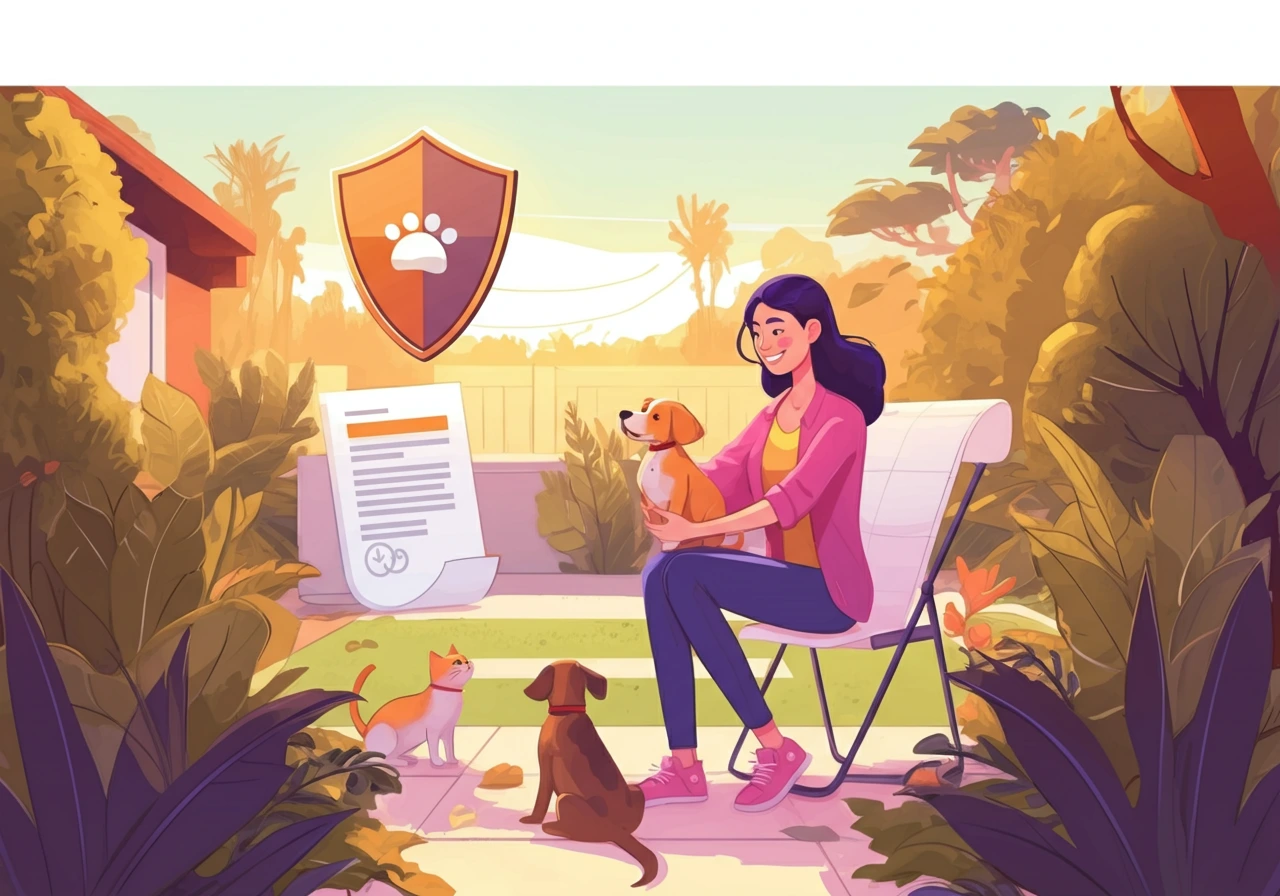
Welcoming a pet into your home brings immense joy, but it also comes with significant responsibilities. One of the most important is ensuring their health and well-being. Unexpected vet bills can create financial strain, which is why many pet owners in the Golden State are turning to pet insurance. California, with its diverse geography and active lifestyle, presents unique considerations for pet owners.
This comprehensive guide will walk you through everything you need to know about securing the best pet insurance in California. We’ll explore how it works, what it covers, average costs, and how to choose a plan that fits your pet’s needs and your budget. By understanding your options, you can make a confident decision that protects both your pet and your finances.
What Is Pet Insurance and How Does It Work?
Pet insurance is a health policy for your pet that helps cover the costs of veterinary care. Similar to human health insurance, you pay a monthly premium to an insurance company. In return, the provider agrees to reimburse you for a portion of your eligible vet bills. This financial safety net can make a life-saving difference when your pet faces an unexpected accident or illness.
The process is straightforward. When your pet needs veterinary attention, you pay the bill upfront at any licensed vet clinic. You then submit a claim to your insurance provider, typically through their website or mobile app, along with the invoice. After your claim is approved, the company sends you a reimbursement based on your policy’s terms.
To learn more about how pet insurance works and what to expect, check out this detailed guide from the North American Pet Health Insurance Association (NAPHIA).
Most pet insurance plans in California operate on a reimbursement model, giving you the freedom to choose any licensed veterinarian, specialist, or emergency clinic. This flexibility ensures your pet gets care without being restricted to a specific network.
Understanding Pet Insurance Coverage in California
When you start looking for pet insurance in California, you’ll find policies are generally categorized into three main types. Understanding the differences is key to selecting the right coverage for your companion.
Accident-Only Plans
This is the most basic and affordable type of pet insurance. It covers injuries resulting from unexpected events, such as broken bones, toxic ingestions, or lacerations. These plans are a good entry-level option if your primary concern is covering the high cost of emergency care for accidents but you’re willing to handle illness-related costs yourself.
Accident and Illness Plans
This is the most popular and comprehensive type of pet insurance. It provides coverage for a wide range of medical issues, including both accidental injuries and illnesses. An accident and illness plan will typically cover diagnostics, treatments, and medications for conditions like cancer, infections, digestive problems, and hereditary conditions. This type of plan offers broad protection against most unexpected vet bills. For many seeking pet insurance in California, this is the preferred choice.
Wellness Plans (Add-On)
A wellness plan, sometimes called a preventative care plan, is usually offered as an add-on to an existing accident and illness policy. It is not technically insurance but rather a reimbursement plan for routine care. It helps budget for predictable expenses like annual check-ups, vaccinations, flea and tick prevention, and sometimes spaying or neutering. While it adds to your monthly cost, it can encourage proactive healthcare.
What Does Pet Insurance Typically Cover?
A robust accident and illness plan provides a wide safety net. While specifics vary by provider, most comprehensive plans cover:
- Accidents: Injuries like broken bones, cuts, and swallowed objects.
- Illnesses: Sicknesses such as cancer, diabetes, arthritis, and skin infections.
- Hereditary and Congenital Conditions: Issues like hip dysplasia, cherry eye, and heart defects that aren’t pre-existing.
- Chronic Conditions: Ongoing problems like allergies or thyroid disease.
- Diagnostic Tests: Blood work, X-rays, MRIs, and ultrasounds.
- Emergency Care: Visits to an emergency vet clinic.
- Hospitalization and Surgery: Costs associated with inpatient care and surgical procedures.
- Prescription Medications: Drugs prescribed to treat a covered condition.
- Specialist Care: Visits to veterinary specialists like oncologists or cardiologists.
- Alternative Therapies: Treatments like acupuncture or chiropractic care, if prescribed by a vet.
Having this coverage is particularly valuable in a state like California, where the cost of advanced veterinary care can be quite high.
Common Exclusions in Pet Insurance Policies
No pet insurance policy covers everything. It’s crucial to read the fine print and understand what is not covered before you enroll. Common exclusions often include:
- Pre-existing Conditions: This is the most significant exclusion. A pre-existing condition is any illness or injury your pet showed signs of before your policy’s waiting period ended. Some providers distinguish between “curable” and “incurable” conditions, potentially covering curable issues after a certain symptom-free period.
- Cosmetic Procedures: Things like tail docking, ear cropping, and claw removal are generally not covered.
- Breeding Costs: Expenses related to pregnancy, whelping, or breeding are typically excluded.
- Routine and Wellness Care: Unless you purchase a wellness add-on, annual exams, vaccinations, and preventative treatments are not covered by standard plans.
- Experimental Treatments: Therapies or procedures that are not widely accepted in veterinary medicine are usually excluded.
- Behavioral Issues: While some plans are starting to offer limited coverage for behavioral modification, it is often excluded or requires a special add-on.
Understanding these exclusions helps set realistic expectations for your pet insurance in California.
Average Cost of Pet Insurance in California
The cost of pet insurance in California can vary significantly based on several factors. On average, pet owners can expect to pay anywhere from $30 to $60 per month for dogs and $15 to $35 per month for cats for a standard accident and illness plan. However, your specific premium will depend on your pet, your location, and the coverage you select.
Key Factors Influencing Your Premium
- Pet Species: Dogs are generally more expensive to insure than cats because they tend to have more frequent and costly vet visits.
- Breed: Certain breeds are prone to genetic conditions, making them more expensive to insure. For example, French Bulldogs and German Shepherds often have higher premiums than mixed-breed dogs.
- Age: Younger pets are cheaper to insure. Premiums increase as your pet gets older and becomes more susceptible to age-related health issues. Enrolling your pet while they are young is the best way to secure lower rates and avoid pre-existing condition exclusions.
- Location: Veterinary costs are higher in major metropolitan areas like Los Angeles and San Francisco compared to more rural parts of the state. Your zip code directly impacts your premium.
Average Costs in Major California Cities
- Los Angeles: Due to higher living and veterinary costs, premiums for pet insurance in California’s largest city are often at the higher end of the state average.
- San Francisco: Similar to LA, the Bay Area has some of the highest vet care costs, leading to more expensive insurance premiums.
- San Diego: Costs in San Diego are typically competitive but can be slightly lower than in LA or San Francisco.
- Sacramento: As the state capital with a lower cost of living, pet insurance premiums here may be more moderate.
- Fresno: In the Central Valley, where vet costs are generally lower, you may find some of the most affordable pet insurance in California.
Customizing Your Plan: Deductible, Reimbursement, and Annual Limit
When you purchase pet insurance, you customize your policy by choosing a deductible, reimbursement rate, and annual limit. These three components work together to determine your monthly premium and how much you get back on a claim.
Deductible
The deductible is the amount you must pay out of pocket for vet bills before your insurance starts to reimburse you. Deductibles are typically annual. For example, if you have a $500 annual deductible, you are responsible for the first $500 of covered vet expenses each policy year.
- Lower Deductible ($100 – $250): Results in a higher monthly premium but you’ll get reimbursed sooner.
- Higher Deductible ($500 – $1,000): Leads to a lower monthly premium, but you’ll have a larger out-of-pocket expense before coverage kicks in.
Reimbursement Rate
The reimbursement rate is the percentage of the covered vet bill that your provider pays back after you’ve met your deductible. Most companies offer rates of 70%, 80%, or 90%.
- Higher Reimbursement (90%): You’ll get more money back on each claim, but your monthly premium will be higher.
- Lower Reimbursement (70%): You’ll have a lower monthly premium, but you will be responsible for a larger portion of the vet bill.
Annual Limit
The annual limit is the maximum amount your insurance provider will reimburse you in a policy year. Limits can range from a few thousand dollars ($5,000) to unlimited.
- Lower Annual Limit ($5,000 – $10,000): This is often sufficient for most common issues and will result in a more affordable premium.
- Unlimited Annual Limit: This provides the ultimate peace of mind for catastrophic events like major surgery or long-term cancer treatment but comes with the highest premium.
Finding the right balance between these three elements is essential. A popular combination for pet insurance in California is a $500 deductible, 80% reimbursement rate, and a $10,000 annual limit, which offers a good mix of coverage and affordability.
Understanding Waiting Periods
Every pet insurance policy includes waiting periods, which are a set amount of time after enrollment before your coverage becomes active. This is to prevent people from signing up only after their pet has become sick or injured.
Waiting periods typically vary for different types of conditions:
- Accidents: The shortest waiting period, often just a few days (e.g., 2-3 days).
- Illnesses: Usually around 14-15 days.
- Orthopedic Conditions: Some policies have extended waiting periods for issues like cruciate ligament injuries or hip dysplasia, which can be 6 to 12 months.
It’s vital to check the waiting periods before enrolling, as they can differ significantly between providers of pet insurance in California.
Is a Wellness Plan Add-On Worth It?
Whether a wellness plan is a good investment depends on your financial habits. These plans are designed for budgeting, not for saving money. You pay a set amount each month, and the plan reimburses you up to a certain limit for routine care expenses.
Consider a wellness plan if:
- You prefer to spread the predictable costs of vet care over 12 months.
- You want an incentive to stay on top of your pet’s preventative care schedule.
- You have a new puppy or kitten that will require multiple vaccinations and spaying/neutering.
A wellness plan might not be right for you if:
- You prefer to pay for routine care out of pocket as it occurs.
- Your pet is an adult with minimal routine care needs beyond an annual exam.
Calculate the total annual cost of the wellness plan and compare it to the total annual reimbursement offered. If the cost is higher than the benefit, you might be better off saving that money in a separate account for your pet’s routine care.
How to Compare Pet Insurance Providers in California
With several companies offering pet insurance in California, choosing the right one requires careful comparison. Look beyond the monthly premium and evaluate the following aspects:
- Coverage Details: Do they offer comprehensive accident and illness plans? Check their policy for coverage on hereditary conditions, chronic issues, and alternative therapies.
- Exclusions: Pay close attention to the list of exclusions, especially concerning pre-existing conditions and any breed-specific limitations.
- Customization Options: Look for flexible deductible, reimbursement, and annual limit options that allow you to build a plan that fits your budget.
- Waiting Periods: Compare the waiting periods for accidents, illnesses, and any specific conditions like hip dysplasia.
- Customer Reviews and Reputation: Research the company’s reputation for claim processing and customer service. How quickly do they reimburse claims? Are customers generally satisfied?
- Pricing Structure: Does the company increase premiums significantly as your pet ages? Look for providers known for more stable pricing over your pet’s lifetime.
- Extra Benefits: Some providers offer perks like 24/7 vet telehealth lines, coverage for lost pet advertising, or boarding fees if you are hospitalized.
Tips to Save Money on Pet Insurance
While pet insurance is an investment, there are several ways to make it more affordable without sacrificing essential coverage:
- Enroll Your Pet When They’re Young: Younger pets get the lowest premiums and are less likely to have pre-existing conditions.
- Choose a Higher Deductible: Opting for a $500 or $750 deductible can significantly lower your monthly payment.
- Select a Lower Reimbursement Level: A 70% or 80% reimbursement rate will be more affordable than a 90% rate.
- Look for Discounts: Many providers offer a multi-pet discount if you insure more than one animal. Some also have military discounts or corporate benefits programs.
- Pay Annually: You can often save a small amount by paying your premium for the full year upfront instead of monthly.
- Maintain Your Pet’s Health: Keeping your pet at a healthy weight and providing regular preventative care can reduce their risk of developing costly health problems down the line.
Frequently Asked Questions (FAQs)
Is pet insurance required in California?
No, pet insurance is not legally required in California. It is an optional purchase that provides financial protection for unexpected veterinary expenses.
Can I use any vet with pet insurance in California?
Yes, nearly all pet insurance plans in California allow you to visit any licensed veterinarian, emergency clinic, or specialist in the state and even across the country. You are not restricted to a network.
Will pet insurance cover my dog’s hip dysplasia?
Most comprehensive plans will cover hereditary conditions like hip dysplasia, but only if the condition was not diagnosed or showing symptoms before the policy started and its specific waiting period has passed.
How are pre-existing conditions determined?
A pre-existing condition is any health issue your pet had before your insurance policy’s waiting period ended. Insurers review your pet’s veterinary records to determine this. Honesty during enrollment is crucial.
Is pet insurance worth it for an older dog?
Insuring an older dog can be more expensive, and they are more likely to have pre-existing conditions excluded. However, it can still be valuable as older pets are at a higher risk for serious illnesses like cancer or organ failure, where treatment costs can run into the thousands.
Making the Right Choice for Your California Pet
Choosing pet insurance in California is a personal decision that depends on your financial situation, your risk tolerance, and your pet’s specific needs. For many, it provides invaluable peace of mind, knowing that a major medical decision will be based on your pet’s welfare, not the cost of treatment.
In summary, when selecting a plan:
- Prioritize a comprehensive accident and illness plan for the broadest protection.
- Customize your deductible, reimbursement, and annual limit to balance coverage with affordability.
- Enroll your pet as early as possible to lock in lower rates and avoid pre-existing condition exclusions.
- Thoroughly read and compare policies from multiple providers before making a final decision.
By taking these steps, you can find a pet insurance plan that acts as a reliable partner in managing your pet’s health. Start by getting free quotes from a few reputable providers to see what options are available for your beloved companion.
You can also read”The Ultimate Guide to Pet Insurance in Florida“
