
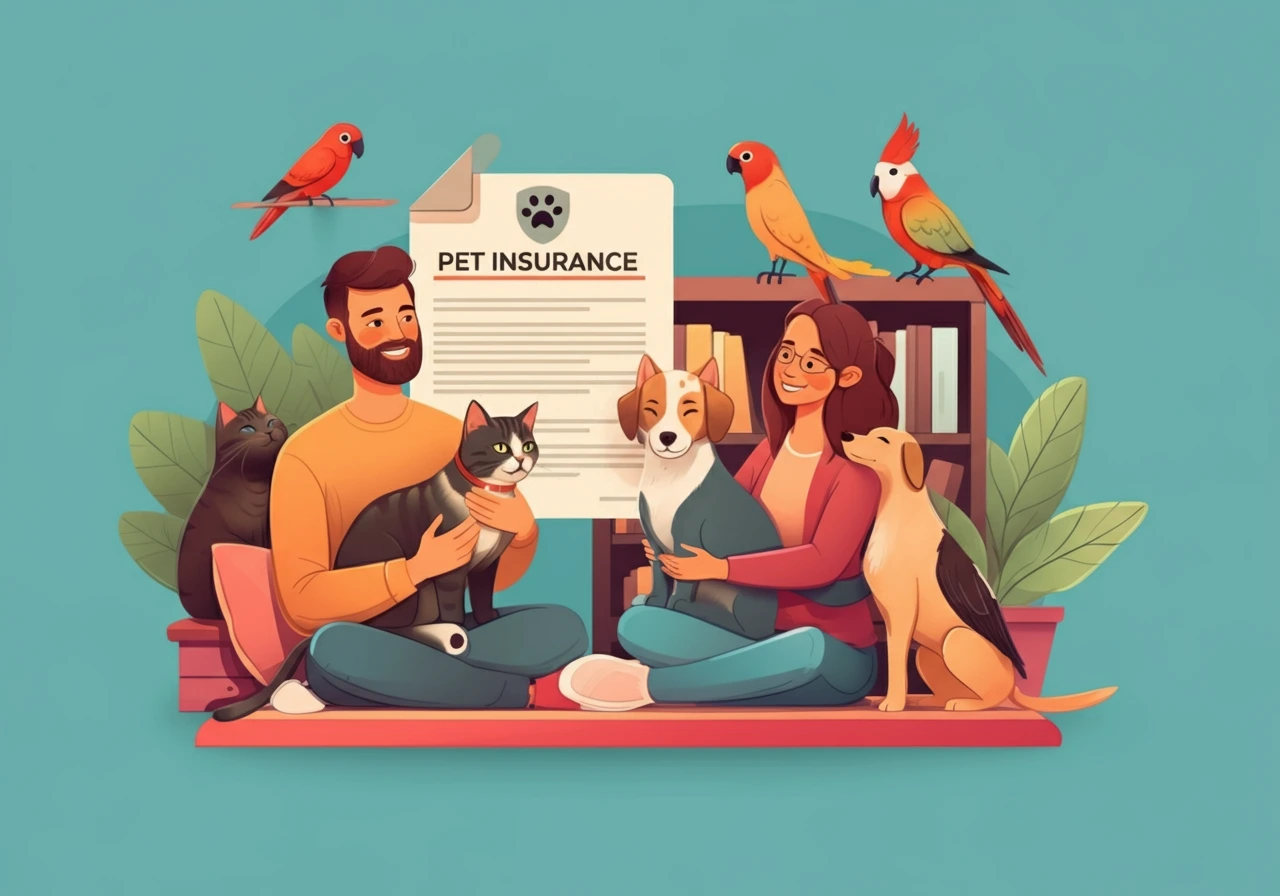
Welcoming a pet into your home brings immense joy, but it also comes with significant responsibilities, including managing their health care. Unexpected veterinary bills for accidents or illnesses can quickly become a financial burden. This is where pet insurance offers a crucial safety net, helping you make decisions based on your pet’s health needs rather than your budget.
Navigating the world of pet insurance can be complex. With numerous providers, plans, and coverage options, choosing the right policy is a critical decision. This guide breaks down the process, offering a clear overview of the best pet insurance companies and what they offer. We will explore their plans, benefits, and potential drawbacks to help you find a policy that provides both peace of mind and excellent value for your beloved companion.
Our Methodology for Ranking Pet Insurance Providers
To identify the best pet insurance companies, we evaluated providers based on a comprehensive set of criteria. Our goal was to assess overall value and customer experience, ensuring our recommendations are balanced and practical. We weighted the following factors to determine our rankings:
- Coverage Breadth (35%): We prioritized companies offering robust accident and illness policies. This includes coverage for hereditary conditions, chronic issues, diagnostics (like X-rays and MRIs), surgeries, and prescription medications. Comprehensive coverage is the cornerstone of a valuable plan.
- Affordability and Value (25%): This factor looks beyond the monthly premium. We assessed the relationship between cost and the quality of coverage provided. Companies offering competitive pricing without sacrificing essential benefits scored higher. We also considered the flexibility of deductibles and reimbursement rates, which allow pet owners to customize a plan to fit their budget.
- Claims Experience (20%): A policy is only as good as its claims process. We evaluated companies based on their reputation for timely reimbursements, user-friendly claim submission (e.g., mobile apps), and overall customer support during what is often a stressful time.
- Plan Flexibility and Customization (10%): We favored providers that allow pet owners to tailor their coverage. This includes multiple options for annual limits, deductibles, and reimbursement percentages. The ability to add wellness riders for routine care was also a positive consideration.
- Customer Satisfaction and Reputation (10%): We analyzed customer reviews and industry ratings to gauge long-term satisfaction. Companies with a history of transparent communication, fair policy terms, and positive feedback from pet owners were ranked more favorably.
Top Pet Insurance Company Recommendations
For more on how pet insurance works and what to look for in a policy, you can visit the North American Pet Health Insurance Association (NAPHIA) for additional industry insights and consumer resources.
Based on our detailed analysis, here are some of the best pet insurance companies available. Each offers a unique combination of features, making them suitable for different needs and budgets.
1. Trupanion: For Comprehensive, Direct-Pay Coverage
Trupanion stands out for its straightforward, single-plan approach and its unique ability to pay veterinarians directly at the time of service. This eliminates the need for you to pay the full bill upfront and wait for reimbursement.
- Coverage Details: Trupanion offers one simple but powerful accident and illness plan. It covers hereditary and congenital conditions, diagnostics, surgeries, medications, and hospital stays. Their policy comes with a 90% reimbursement rate and no payout caps per condition or for the lifetime of your pet. Deductibles are per condition, not per year, which can be advantageous for pets with chronic illnesses.
- Pros:
-
- Vet Direct Pay: The “Trupanion Express” feature allows for direct payment to participating veterinarians, greatly reducing your out-of-pocket costs.
- No Payout Limits: Unlimited annual and lifetime coverage gives you peace of mind for catastrophic events.
- Consistent Reimbursement: A flat 90% reimbursement simplifies calculations and expectations.
- Cons:
-
- No Wellness Option: Trupanion does not offer a wellness or preventive care add-on.
- Per-Condition Deductible: While great for chronic issues, a per-condition deductible may be more expensive if your pet experiences multiple unrelated health problems in a short time.
- Premiums Can Be Higher: The comprehensive coverage and unlimited payouts often result in a higher monthly premium compared to some competitors.
- Best For: Pet owners who want maximum protection against large, unexpected vet bills and prefer the convenience of direct vet payments without worrying about payout limits.
2. Spot Pet Insurance: For Highly Customizable Plans
Spot is a highly versatile option, offering extensive customization that allows pet owners to build a plan that perfectly matches their budget and coverage needs.
- Coverage Details: Spot provides robust accident and illness plans that cover diagnostics, treatments, and even alternative therapies like acupuncture. They also offer an accident-only plan for those seeking basic protection. What sets Spot apart is its flexibility—pet owners can choose from a wide range of annual limits, deductibles, and reimbursement rates.
- Pros:
-
- Exceptional Customization: With multiple options for annual limits (from $2,500 to unlimited), deductibles, and reimbursement percentages (70%, 80%, or 90%), you can fine-tune your policy.
- Wellness Add-Ons: Two tiers of preventive care riders are available to help cover the costs of routine care like vaccinations, dental cleanings, and wellness exams.
- No Upper Age Limit for Enrollment: Spot does not have an age restriction for enrolling new pets, which is a major benefit for owners of senior animals.
- Cons:
-
- Standard Waiting Periods: Spot has typical waiting periods for accidents and illnesses, including a 14-day wait for most conditions.
- Slightly Higher Premiums for High-Limit Plans: Opting for unlimited coverage or a low deductible will increase the monthly cost.
- Best For: Pet owners who want complete control over their policy’s structure, including those with senior pets or those who want to bundle routine care coverage with their insurance.
3. Embrace Pet Insurance: For Comprehensive Benefits and Savings
Embrace is known for its excellent accident and illness coverage and a unique feature called the “Healthy Pet Deductible,” which rewards pet owners for not filing a claim.
- Coverage Details: Embrace’s core plan covers accidents, illnesses, genetic conditions, and chronic issues. It also includes coverage for exam fees, which many other insurers exclude or offer only as an add-on. The policy is highly customizable with various annual limits, deductibles, and reimbursement options.
- Pros:
-
- Healthy Pet Deductible: For every year you don’t receive a claim reimbursement, your annual deductible is reduced by $50. This is a great way to save money over time.
- Exam Fee Coverage: Including exam fees in their standard policies adds significant value, as these fees can be a notable part of any vet visit.
- Flexible Wellness Plan: Embrace offers a wellness rewards plan that operates like a health savings account, giving you a set annual allowance to use for routine care as you see fit.
- Cons:
-
- Waiting Period for Orthopedic Conditions: Like many insurers, Embrace has a six-month waiting period for orthopedic conditions in dogs, though it can be reduced with a vet exam.
- Annual Limits Are Not Unlimited: While offering high limits (up to $30,000), they do not provide an unlimited option.
- Best For: Pet owners looking for a well-rounded policy with a unique savings feature and inclusive coverage that includes vet exam fees.
4. Fetch (formerly Petplan): For Holistic and Breed-Specific Coverage
Fetch offers one of the most comprehensive accident and illness policies on the market, including coverage for treatments and conditions that others often exclude.
- Coverage Details: Fetch’s policy is extensive, covering everything from hereditary conditions common to specific breeds (like hip dysplasia) to dental disease, behavioral therapy, and holistic care like hydrotherapy. They also cover exam fees, virtual vet visits, and even boarding fees if you are hospitalized.
- Pros:
-
- All-Inclusive Coverage: Fetch prides itself on covering more types of treatments and conditions than many competitors, including holistic and behavioral therapies.
- No Upper Age Limit: You can enroll a pet of any age.
- Fast Claims Processing: Fetch has a reputation for quick and easy claims processing through its mobile app.
- Cons:
-
- No Wellness Plan: Fetch focuses solely on accident and illness insurance and does not offer a preventive care rider.
- Requires Annual Vet Check-Up: To maintain coverage, your pet must have an annual health and dental check-up, which is a good practice but a strict policy requirement.
- Best For: Owners of breeds prone to specific health issues, or those who want the most comprehensive coverage available, including alternative and behavioral treatments.
Quick Comparison of the Best Pet Insurance Companies
|
Feature |
Trupanion |
Spot |
Embrace |
Fetch |
|---|---|---|---|---|
|
Plan Type |
Accident & Illness |
Accident & Illness, Accident-Only |
Accident & Illness |
Accident & Illness |
|
Annual Limit |
Unlimited |
$2,500 – Unlimited |
$5,000 – $30,000 |
$5,000 – $15,000 |
|
Reimbursement |
90% |
70%, 80%, 90% |
70%, 80%, 90% |
70%, 80%, 90% |
|
Direct Vet Pay |
Yes (at participating vets) |
No |
No |
No |
|
Wellness Option |
No |
Yes (2 tiers) |
Yes (Flexible allowance) |
No |
|
Unique Feature |
Per-condition deductible, no payout limits |
High degree of customization |
Healthy Pet Deductible |
Covers holistic & behavioral therapy |
Frequently Asked Questions (FAQs) About Pet Insurance
1. How does pet insurance handle pre-existing conditions?
No pet insurance company covers pre-existing conditions, which are defined as any illness or injury that your pet showed signs of before the policy’s start date and waiting periods ended. However, some providers may cover “curable” conditions (like a respiratory infection) if the pet remains symptom-free for a specific period (e.g., 12 months). It is crucial to read the policy’s specific definition of a pre-existing condition.
2. What are waiting periods, and how do they work?
Waiting periods are a set amount of time after your policy starts before coverage becomes active. This prevents people from signing up only after their pet gets sick or injured. Typically, you will see:
- Accident Coverage: 1–3 days.
- Illness Coverage: 14 days is standard.
- Orthopedic/Cruciate Ligament Issues: Often 6–12 months, though some companies allow you to shorten this with a vet waiver.
3. Do I get a discount for insuring multiple pets?
Yes, most of the best pet insurance companies offer a multi-pet discount. This discount typically ranges from 5% to 10% and is applied to each additional pet you enroll. It’s a great way to make insuring a multi-pet household more affordable.
4. Is a wellness rider worth it?
A wellness rider (or preventive care add-on) helps cover the predictable costs of pet ownership, such as annual exams, vaccinations, flea/tick prevention, and dental cleanings. It is not insurance but a reimbursement plan for routine care. It can be worth it if you prefer to budget for these costs through a fixed monthly payment rather than paying for them out of pocket. To decide, compare the annual cost of the rider to the total reimbursement you expect to receive.
5. Are there any restrictions based on my pet’s breed?
While most companies will insure all breeds of dogs and cats, the breed of your pet will significantly impact your premium. Breeds prone to hereditary conditions like hip dysplasia (e.g., German Shepherds, Labradors) or respiratory issues (e.g., French Bulldogs) will generally have higher insurance costs due to the increased risk of claims. Fetch is particularly noted for its comprehensive coverage of breed-specific issues.
A Buyer’s Guide to Choosing Your Pet Insurance Plan
Selecting from the best pet insurance companies requires careful consideration of your pet’s needs and your financial situation. Follow these steps to make an informed decision.
1. Get Multiple Quotes
Start by getting quotes from at least three different providers. Premiums are based on your pet’s species, breed, age, and location, as well as the coverage options you select (deductible, reimbursement rate, and annual limit). Comparing quotes is the only way to get a true sense of the cost.
2. Read a Sample Policy
Before committing, always ask for and read a sample policy. This document contains the full terms and conditions, including all exclusions, limitations, and definitions. Pay close attention to the sections on pre-existing conditions, waiting periods, and what is specifically not covered. This is the most important step to avoid surprises later.
3. Understand Key Policy Terms
- Deductible: The amount you must pay out of pocket before the insurance company starts reimbursing you. It can be annual (resets each year) or per-condition (applies to each new illness/injury).
- Reimbursement Rate: The percentage of the covered vet bill that the insurer will pay back to you after you’ve met your deductible. Common rates are 70%, 80%, or 90%.
- Annual Limit: The maximum amount the insurance company will reimburse you in a policy year. Some of the best pet insurance companies offer unlimited plans, which provide the ultimate protection against catastrophic costs.
4. Avoid Common Pitfalls
- Don’t Wait Too Long: It’s best to insure your pet when they are young and healthy. Waiting until they develop health problems will result in those issues being classified as pre-existing and excluded from coverage.
- Don’t Just Shop on Price: The cheapest plan is not always the best value. A low-cost plan may have a high deductible, a low reimbursement rate, or significant coverage gaps. Balance the monthly premium with the quality of the dog and cat coverage provided.
- Check for Exclusions: Be aware of what your policy doesn’t cover. Common exclusions include cosmetic procedures, breeding costs, and experimental treatments.
By doing your homework and comparing accident and illness policies from the best pet insurance companies, you can secure a plan that provides financial security and ensures your pet can always receive the best possible care.
Please read “How to Find Top Rated Pet insurance in 2025“
