

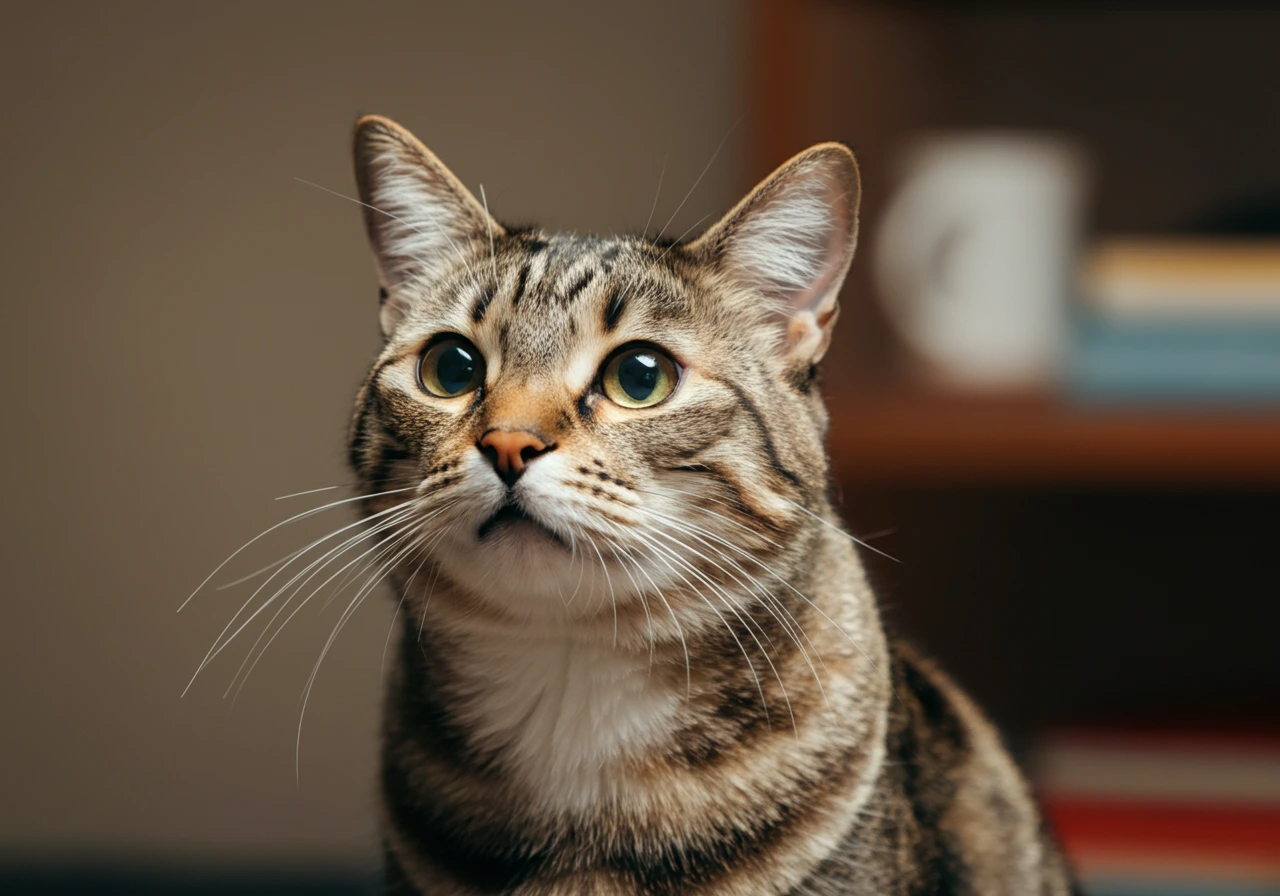
Your cat is a beloved member of your family, bringing joy and companionship to your home. But just like any family member, they can face unexpected accidents or fall ill. Veterinary medicine has advanced significantly, offering incredible treatments that can save lives, but these procedures often come with a high price tag. This financial reality leads many cat owners to ask a crucial question: is cat pet insurance a worthwhile investment?
Navigating the world of feline insurance can feel overwhelming. A quick search reveals dozens of providers, each with different plans, terms, and costs. This guide is designed to act as your compass. We’ve analyzed the common themes and information you’ll find at the top of search results to give you a clear, comprehensive overview.
Here, you’ll learn about what coverage for cats typically includes, what it leaves out, how much it costs, and how to choose the best policy for your feline friend. We’ll demystify concepts like deductibles, reimbursements, and waiting periods to help you make a confident and informed decision.
What Is Cat Pet Insurance and How Does It Work?
Cat pet insurance is a health insurance policy you purchase for your cat. In exchange for a monthly or annual premium, the insurance company agrees to cover a portion of eligible veterinary bills. This financial safety net helps you manage the costs of unexpected vet visits, allowing you to focus on your cat’s health rather than your wallet.
Think of it like human health insurance. You pay a regular fee to maintain coverage. When your cat needs veterinary care, you typically pay the vet directly, submit a claim to your insurance provider, and then receive a reimbursement for the covered expenses. The exact process and reimbursement amount depend on your specific policy.
Understanding Coverage: What Do Policies for Cats Usually Include?
When you start comparing plans, you’ll notice that coverage is generally broken down into three main categories. Most providers offer accident and illness coverage as their core product, with wellness care available as an optional add-on.
Accident-Only Coverage
This is the most basic and affordable type of feline insurance. It’s designed to cover injuries resulting from a sudden, unforeseen event.
Commonly covered accidents include:
- Broken bones
- Swallowing a foreign object
- Toxic ingestions (like eating a poisonous plant)
- Cuts, lacerations, or bite wounds
- Injuries from a fall or being hit by a car
This plan is a budget-friendly option for owners primarily concerned about emergency situations but does not cover sickness or disease.
Accident & Illness Coverage
This is the most popular type of cat pet insurance plan because it’s comprehensive. It covers the injuries included in an accident-only plan plus a wide range of illnesses and diseases.
This level of coverage typically includes diagnostics, treatments, and hospitalizations for conditions such as:
- Cancer
- Kidney disease
- Diabetes
- Urinary tract infections (UTIs)
- Hyperthyroidism
- Skin infections and allergies
- Vomiting and diarrhea
A robust accident and illness policy provides peace of mind that you’re prepared for most major health issues your cat might face during their lifetime. This is the standard offering for most cat pet insurance providers.
Wellness & Routine Care (Add-On)
Standard policies for cats do not cover preventative care. For that, you need a wellness or routine care add-on. This is an optional benefit you can add to your main policy for an additional monthly fee.
A wellness plan reimburses you for a portion of routine expenses, such as:
- Annual exams and check-ups
- Vaccinations
- Flea, tick, and heartworm prevention
- Spaying or neutering
- Routine blood work and dental cleanings
This add-on helps you budget for the predictable costs of responsible pet ownership.
What Is Typically Excluded from Cat Pet Insurance?
Understanding what is not covered is just as important as knowing what is. Every cat pet insurance policy has exclusions, and these are often highlighted in the fine print.
Common exclusions you’ll encounter include:
- Pre-existing Conditions: This is the most significant exclusion. A pre-existing condition is any injury or illness your cat showed signs of before your policy’s start date or during the waiting period. No provider covers them.
- Cosmetic or Elective Procedures: Things like tail docking, ear cropping, or declawing are not covered.
- Breeding-Related Costs: Expenses associated with pregnancy, whelping, or breeding are generally excluded.
- Certain Hereditary Conditions: Some policies may have specific exclusions or longer waiting periods for conditions common to certain breeds, though many comprehensive plans now offer coverage. Always check the policy details for your cat’s breed.
- Experimental Treatments: Therapies or treatments considered experimental or not yet standard in veterinary practice are usually not covered.
Deconstructing the Costs: Premiums, Deductibles, and Reimbursement
The cost of cat pet insurance is not a single number; it’s a combination of your premium, deductible, and reimbursement level. Customizing these three elements allows you to create a plan that fits your budget.
Average Monthly Premiums
The monthly premium is the fixed amount you pay to keep your policy active. For cats, premiums are generally lower than for dogs. The average cost can range from $20 to $50 per month for a comprehensive accident and illness plan.
Several factors influence your premium:
- Your Cat’s Age: Kittens are cheaper to insure than senior cats.
- Your Cat’s Breed: Purebred cats prone to genetic conditions may have higher premiums.
- Your Location: Vet care costs vary by city and state, affecting insurance rates.
- Your Chosen Coverage: The deductible, reimbursement percentage, and annual limit you select will directly impact your monthly cost.
The Deductible
A deductible is the amount you must pay out-of-pocket for vet care before your insurance plan starts to reimburse you. Most providers offer a range of annual deductible options, typically from $100 to $1,000.
- A lower deductible (e.g., $250) means your coverage kicks in sooner, but your monthly premium will be higher.
- A higher deductible (e.g., $750) means you’ll pay more upfront before getting reimbursed, but your monthly premium will be lower.
Reimbursement Percentage and Copay
The reimbursement percentage is the portion of the covered vet bill that the insurance company pays back to you after you’ve met your deductible. Common options are 70%, 80%, or 90%. The remaining portion you are responsible for is called the copay.
- A 90% reimbursement level means you only have a 10% copay. This provides the most financial protection but comes with the highest premium.
- A 70% reimbursement level means you have a 30% copay. This lowers your premium but requires you to cover more of the bill yourself.
How Reimbursement Works: A Sample Calculation
Let’s walk through an example to see how these pieces fit together.
Imagine you have a cat pet insurance policy with:
- An annual deductible of $500
- A reimbursement level of 90%
- An annual coverage limit of $10,000
Your cat suddenly develops a urinary blockage and needs emergency surgery. The total vet bill comes to $3,500.
- Pay the Deductible: You first pay the $500 deductible out of pocket.
- Calculate the Remaining Bill: $3,500 (total bill) – $500 (deductible) = $3,000.
- Apply the Reimbursement: Your plan covers 90% of this remaining amount. $3,000 x 90% = $2,700. This is your reimbursement from the insurance company.
- Calculate Your Copay: The remaining 10% is your responsibility. $3,000 x 10% = $300.
- Your Total Out-of-Pocket Cost: $500 (deductible) + $300 (copay) = $800.
Without feline insurance, you would have paid the full $3,500. With cat pet insurance, your total cost was $800, plus your monthly premiums.
Important Policy Details to Understand
Beyond the core components of cost and coverage, several other policy details are crucial when comparing plans for cats.
Waiting Periods
A waiting period is the time after you enroll but before your coverage officially begins. You cannot file a claim for any condition that occurs during this period.
Typical waiting periods are:
- Accidents: 1–3 days
- Illnesses: 14–30 days
- Orthopedic Conditions (e.g., cruciate ligament issues): 6–12 months (though some providers have shorter waits)
It’s vital to enroll in a feline insurance plan while your cat is healthy to ensure you are covered when you need it.
The Claims Process
The claims process is how you get your money back. Most companies follow a standard model:
- Pay your veterinarian for the services at the time of your visit.
- Get a copy of the itemized invoice and your cat’s medical records.
- Submit a claim form along with the invoice through the provider’s mobile app, website portal, or email.
- The insurance company reviews the claim and sends you a reimbursement via check or direct deposit.
The speed and ease of this process are major differentiators between providers. Look for companies known for fast, hassle-free claim processing.
Reimbursement Models: Actual Cost vs. Benefit Schedule
The vast majority of modern cat pet insurance providers use an “actual cost” model, as shown in the example above. They reimburse you based on a percentage of your actual vet bill.
A few older or more basic plans may use a “benefit schedule.” This model sets a fixed reimbursement amount for each specific condition or procedure, regardless of what your vet actually charged. These plans are less common and often provide less financial protection.
How to Choose the Right Cat Pet Insurance Policy: A Step-by-Step Framework
With so many options, choosing the right plan can seem daunting. Follow this simple framework to find the best fit for your cat and your budget.
- Assess Your Cat’s Needs: Is your cat a specific breed prone to certain health issues? Are they an indoor-only cat or an outdoor adventurer with a higher risk of accidents? Your cat’s lifestyle and genetics can help you decide what level of coverage is most important.
- Determine Your Budget: Decide what you can comfortably afford for a monthly premium. Use this to play with different combinations of deductibles and reimbursement levels. A higher deductible is a great way to lower your monthly cost if you can afford to cover a larger one-time expense.
- Get Multiple Quotes: Don’t settle for the first quote you receive. Get quotes from at least three to five different providers. This will give you a clear sense of market rates and help you compare apples to apples.
- Read the Fine Print: Carefully review the sample policies from your top contenders. Pay close attention to the list of exclusions, waiting periods (especially for orthopedic or hereditary conditions), and any caps on coverage.
- Compare Company Reputations: A policy is only as good as the company behind it. Look at customer reviews, check their claim processing times, and see if they offer helpful features like a 24/7 vet helpline or a user-friendly mobile app. A company with a strong track record for customer service can make a huge difference.
Comparing Feline Insurance Plans: A Narrative Look
When you get quotes, you’ll see how plans differ. One provider might offer a low premium but have a long 12-month waiting period for hereditary conditions. Another may be slightly more expensive but have a short 14-day wait for everything and a mobile app that processes claims in 48 hours.
Some plans might offer direct payment to your vet, eliminating the need for you to pay the full bill upfront. This is a huge benefit but is not yet widely available. Others may stand out with exceptional customer service or offer unique add-ons, like coverage for alternative therapies such as acupuncture or physical therapy. This comparison is about balancing cost with features, waiting periods, and company reputation to find your ideal coverage for cats.
Pros and Cons of Cat Pet Insurance
Pros:
- Financial Security: Protects you from large, unexpected vet bills.
- Peace of Mind: Allows you to make medical decisions based on your cat’s needs, not your budget.
- Access to Advanced Care: Makes expensive but effective treatments like surgery, chemotherapy, or MRI scans more affordable.
- Encourages Better Care: Knowing you have coverage might make you more likely to take your cat to the vet for early diagnosis.
Cons:
- Monthly Cost: It is an added expense in your budget.
- Doesn’t Cover Everything: Exclusions for pre-existing conditions, preventative care (without an add-on), and certain other procedures apply.
- Potential for Unused Premiums: You might pay premiums for years without ever filing a major claim.
- Upfront Payment: Most plans require you to pay the vet first and wait for reimbursement.
Checklist: What to Ask a Provider
Before you sign up for a cat pet insurance policy, make sure you have answers to these questions:
- What are the waiting periods for accidents, illnesses, and hereditary/orthopedic conditions?
- How do you define a pre-existing condition? Is there a look-back period?
- Does my monthly premium increase as my cat gets older? If so, by how much?
- Is there a per-incident, annual, or lifetime payout limit?
- Do you cover exam fees for accident and illness visits?
- Are prescription foods and alternative therapies (like acupuncture) covered?
- What is your average claim processing time?
- Do you offer direct pay to veterinarians?
Frequently Asked Questions (FAQ)
1. Is cat pet insurance more expensive for older cats?
Yes. It’s best to insure your cat when they are young and healthy. Premiums for senior cats are higher, and they are more likely to have pre-existing conditions that won’t be covered.
2. My cat is indoors only. Do I still need feline insurance?
Yes. Indoor cats are still susceptible to many common illnesses like kidney disease, cancer, and diabetes. They can also have accidents, like swallowing a string or falling from a high surface.
3. Can I use any veterinarian?
Yes, virtually all cat pet insurance plans allow you to use any licensed veterinarian in the United States (and sometimes Canada). There are no network restrictions like with human health insurance.
4. What’s the difference between an annual deductible and a per-incident deductible?
An annual deductible is paid once per policy year. After you meet it, all eligible costs are covered according to your plan. A per-incident deductible must be met for each new, unrelated condition. Most top providers now use an annual deductible model, which is generally better for the pet owner.
5. If my cat has a pre-existing condition, is there any point in getting insurance?
Yes. While the pre-existing condition won’t be covered, a cat pet insurance policy will still cover any new, unrelated accidents or illnesses that may occur in the future.
6. Does cat pet insurance cover dental problems?
It depends. Most plans cover dental injuries (like a broken tooth from an accident). Coverage for dental illnesses (like periodontal disease) varies; some plans include it in their standard coverage, while others require a special add-on. Routine cleanings are only covered under a wellness plan.
7. How soon can I file a claim?
You can file a claim for any eligible condition that occurs after your policy’s waiting periods have passed.
Our Recommendation and Your Next Steps
For most cat owners, a comprehensive accident and illness cat pet insurance policy offers a valuable financial safety net and significant peace of mind. The ability to say “yes” to life-saving treatment without worrying about the cost is the primary reason owners choose to get coverage for cats. While it is a monthly expense, it protects you from the risk of a vet bill totaling thousands of dollars.
If you want to learn more about the basics and benefits of pet insurance, the American Veterinary Medical Association (AVMA) offers a helpful overview of pet health insurance that can guide your research.
The best plan is one that fits your budget while providing robust protection against major medical events.
Your next steps are clear:
- Assess your cat and your budget.
- Get quotes from several reputable providers to compare your options directly.
- Read the policy details for your top choices.
- Enroll your cat while they are healthy to avoid exclusions and secure the best rate.
Taking these steps will empower you to find the perfect feline insurance plan, ensuring your cherished companion has access to the best possible care for years to come.
Read this “Finding the Best Pet Insurance for Cats: A 2025 Guide“
